
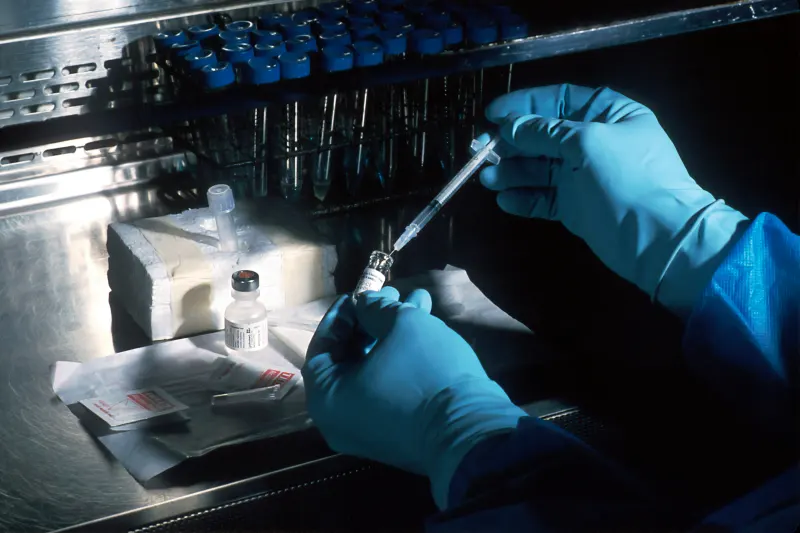
Genetic Engineering: Manipulate DNA to Solve Real-World Biological Problems
Develop the skills to modify organisms by directly manipulating their genetic material. This course gives you practical knowledge in designing, cloning, and expressing genes to tackle complex biological challenges.
Genetic engineering is driving the future of medicine, agriculture, and biotechnology—from life-saving gene therapies to sustainable farming. This course walks you through molecular techniques, CRISPR applications, and genomic analysis. Gain the confidence to work with DNA and develop innovative biotech solutions.
What You'll Learn
- ✓Understand core genetic concepts like DNA replication, transcription, and translation.
- ✓Implement foundational techniques like PCR, gel electrophoresis, and gene cloning.
- ✓Master advanced gene-editing tools, specifically the CRISPR-Cas9 system.
- ✓Learn to analyze genomic sequences using bioinformatics tools and databases.
- ✓Apply genetic engineering to create genetically modified organisms (GMOs) for agriculture.
- ✓Explore the ethical, legal, and social implications of manipulating genetic material.
Course Curriculum
Understand how biotechnology drives innovation across multiple sectors.
- What is Genetic Engineering? History & Milestones
- The Central Dogma: DNA → RNA → Protein
- Overview of the biotech industry and real-world applications
- Lab safety and basic equipment familiarization
- Setting up a biological experimental workflow
Master the chemical building blocks of life and how they interact.
- Structure and properties of nucleic acids (DNA/RNA)
- Enzymes in genetic engineering (Restriction enzymes, Ligases)
- Plasmids and viral vectors for gene transfer
- DNA extraction and purification methods
- Hands-on: Simulating DNA isolation and quantification
Learn how to isolate a gene and insert it into a host organism.
- Principles of molecular cloning and vector design
- Polymerase Chain Reaction (PCR) principles and optimization
- Gel Electrophoresis for DNA fragment analysis
- Transformation of E. coli and screening for recombinants
- Project: Designing a recombinant plasmid for protein expression
Explore the revolutionary CRISPR technology and its precise editing capabilities.
- Mechanism of the CRISPR-Cas immune system
- Designing guide RNAs (gRNAs) for target sequences
- Homology-directed repair (HDR) vs. Non-homologous end joining (NHEJ)
- Off-target effects and mitigation strategies
- Hands-on: Simulating a CRISPR knockout experiment
Discover how genetic modification is transforming food and industrial production.
- Development of Genetically Modified (GM) crops (e.g., Bt cotton)
- Agrobacterium-mediated plant transformation
- Metabolic engineering for biofuel and pharmaceutical production
- Bioremediation: Engineering microbes to clean the environment
- Project: Designing a pest-resistant agricultural crop
Transition from basic research to life-saving medical applications.
- Genetic basis of human diseases and inheritance patterns
- Viral vs. Non-viral delivery systems for gene therapy
- CAR-T cell therapy for cancer treatment
- Stem cell engineering and regenerative medicine
- Case Study: Treating monogenic disorders like Cystic Fibrosis
Use computational tools to analyze complex biological data.
- Introduction to DNA sequencing technologies (Sanger, NGS)
- Navigating genomic databases (NCBI, Ensembl)
- Sequence alignment and BLAST search algorithms
- Analyzing gene expression data and transcriptomics
- Hands-on: Mapping a genetic sequence to a reference genome
Apply your learning responsibly within legal and ethical boundaries.
- Ethical dilemmas in human gene editing and designer babies
- Biosafety levels (BSL) and risk assessment
- Regulatory frameworks (FDA, EPA, USDA) for GMOs
- The future of synthetic biology and personalized medicine
- Capstone: Proposing a biotech startup with ethical compliance
Course Materials Provided
- ✓In-Depth Video Lessons: Comprehensive video content covering all major molecular techniques.
- ✓Virtual Lab Simulations: Use interactive software to practice gene editing and cloning safely.
- ✓Access to Resources: Get downloadable protocol sheets, sequence data, and analysis scripts.
- ✓Knowledge Checks: Test your understanding after each biological module.
- ✓Industry Expert Insights: Learn practical lab tips and research trends from biotech professionals.
Who This Course Is For
- ✓Beginners: Individuals with basic biology knowledge who want to understand genetic manipulation from scratch.
- ✓Students: Life sciences or pre-med students aiming to build a strong foundation in modern biotechnology.
- ✓Professionals: Healthcare workers, agriculturists, or lab technicians looking to upskill in genomic technologies.
- ✓Science Enthusiasts: Passionate learners who want to explore how DNA editing is reshaping our world.